Expert Fender Bender Repair in Oklahoma City
When your car gets hit, you need it fixed fast and done right. Syed Brothers Auto Body Shop has repaired a lot of fender benders across Oklahoma City over the years.
We work directly with your insurance, complete most repairs the same day, and back every job with a lifetime warranty. Your vehicle will look factory-new when we’re done.
The Real Cost of Fender Damage
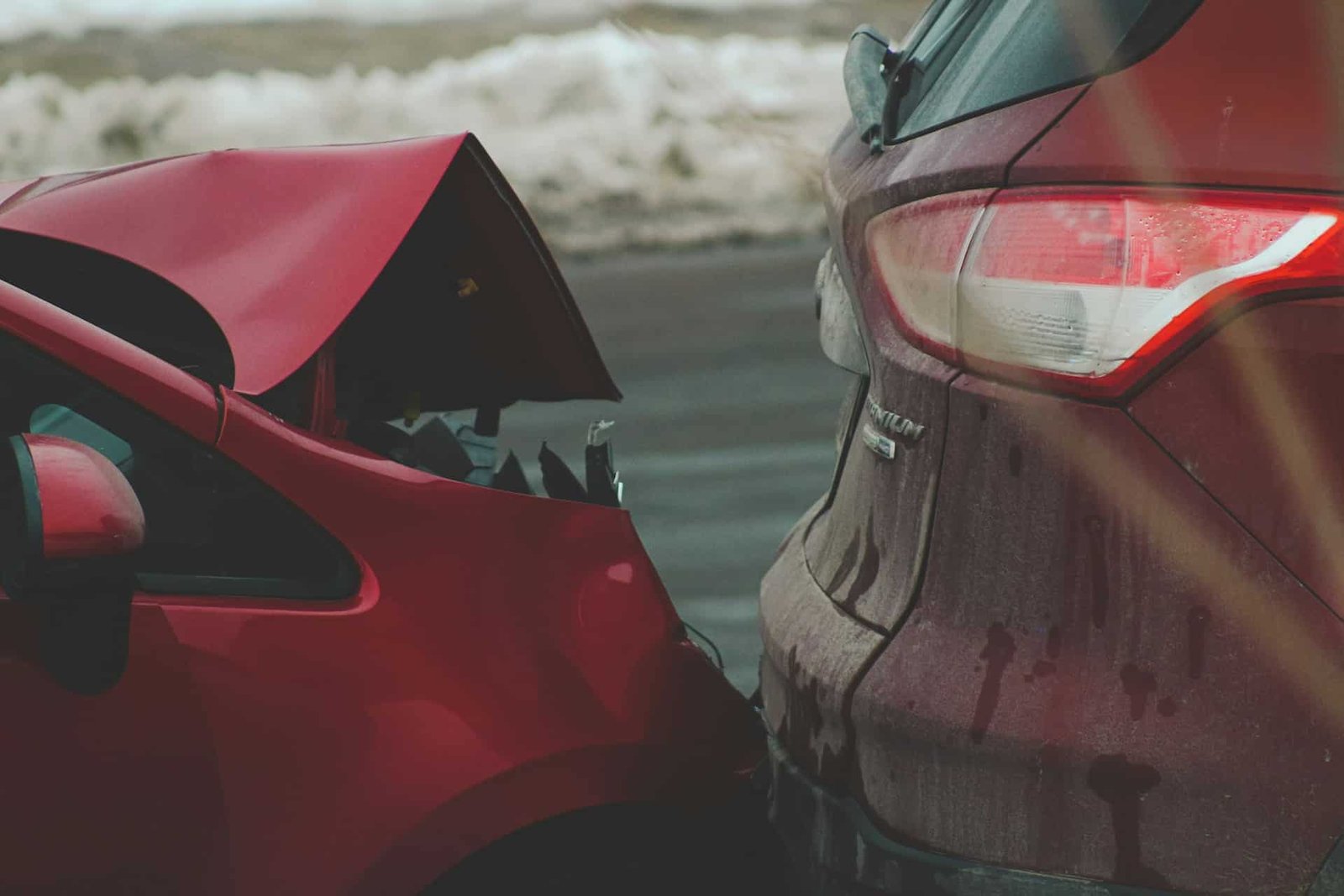
That crumpled fender isn’t just ugly metal. Impact damage spreads through your vehicle in ways you can’t see from the curb.
Your headlight assembly might be cracked internally. The frame could be slightly bent. Wiring harnesses get stretched or pinched. Safety sensors go out of calibration.
Drive around with “minor” damage, and you’re gambling with:
- Hidden structural problems that worsen over time
- Reduced crash protection if you’re hit again
- Thousands in lost resale value
- Insurance coverage gaps if undisclosed damage causes future claims
Oklahoma City roads are tough enough without compromising your vehicle’s safety and value. Every day you wait, the repair gets more expensive.
Don’t Just Take Our Word For It!
Posted on Google
 Rose Brown
Trustindex verifies that the original source of the review is Google.
Great service! Honest and reliable...will purchase from them again!!Posted on Google Mohamed AlAmazing experience, fast, professional service I couldn’t ask for Anymore my car looks brand new again highly recommend!!!Posted on Google
 moe moeWhat a great experience they are professional courteous on time kept me in the loop. I’ve never experienced a better service. I would highly recommend to everyone.Posted on Google
 José SolisMuy bienPosted on Google
 Karan RebitzkeThey fixed my son’s car in a timely fashion and did excellent work! Hasan was super kind amazing! We’d use them again in a heartbeat!Posted on Google
 Jan McfarlandI live out of state and was in an accident in OK City, Syed towing went out of their way to help with a ride to get a rental & assisted in every to help get me my claim started...great service.Posted on Google
 Billy GideonWorking with Syed Brothers was a great experience. They were able to provide an estimate the next day and quickly complete the repairs. My truck looks beautiful again. Everyone that I spoke to was great to deal with. Very professional and do a phenomenal job.Posted on Google
 Demetra CastilleI had a great experience working with the son and owner. My initial conversation was pleasant by phone. I felt reaĺly comfortable in person while the repair work was explained to me. I was very pleased with their service!
Quality Fender Repair That Protects Your Investment
Fender bender repair means restoring your vehicle to factory safety and appearance standards. Not slapping on body filler and hoping it holds.
We’ve handled every type of fender damage Oklahoma drivers face. Hail dents from spring storms. Shopping cart scrapes. Parking lot bumps. Highway collisions at I-35 and I-40.
Most fender repairs take 1 – 3 days, depending on parts availability. Simple dent removal often completes the same day you drop off.
Our certified technicians use computerized paint matching and OEM repair procedures. Your insurance company pre-approves our work because we follow manufacturer specifications exactly. You get your life back without the stress of dealing with subpar repairs or insurance runarounds.
Complete Fender Bender Repair Services Near You
Minor Dent and Scratch Repair
Small impacts often cause surface damage without affecting the metal underneath. We use paintless dent removal (PDR) when possible to restore the original panel.
This includes: Dent reshaping without paint removal, Touch-up paint for minor scratches, Clear coat restoration, and Same-day completion for most jobs.
Major Fender Replacement and Reconstruction
Severe impact damage requires panel replacement and structural repair. We source OEM parts and restore frame alignment to factory specifications.
This includes: Complete fender panel replacement, Frame straightening and alignment, Suspension component inspection, and Headlight and bumper realignment.
Paint Restoration and Color Matching
Oklahoma sun and weather fade paint differently across your vehicle. Our computerized color-matching system creates perfect blends that age naturally.
This includes: Digital color analysis and formula creation, Multi-stage primer, base, and clear coat application, UV protection coating, and Color warranty coverage.
Hidden Damage Detection and Repair
Impact forces travel through your vehicle in unexpected ways. Our diagnostic equipment finds problems before they become expensive failures.
This includes: Computerized frame measurement, Airbag sensor calibration, Electrical system testing, and Safety system verification.
We Are Certified & Approved!


Our Proven Fender Repair Process
We believe you deserve to know exactly what’s happening with your vehicle every step of the way. Here’s how we take it from damaged to delivery-ready:
1. Fast Damage Assessment and Insurance Coordination
We evaluate your damage within 24 hours of your call. Our estimators photograph everything, measure frame alignment, and test safety systems.
We send the complete assessment directly to your insurance company with repair recommendations. Most approvals come back within 48 hours.
You don't pay anything up front. We bill your insurance directly and handle all paperwork.
2. Professional Repair Using Factory Standards
Our technicians follow the manufacturer's repair procedures exactly. We use OEM parts when required and high-quality aftermarket parts when appropriate.
Every repair includes computerized paint matching, frame alignment verification, and multi-stage quality inspections.
You can track progress through photos and updates. Most customers are surprised by how much better their vehicle looks than before the accident.
3. Final Inspection and Warranty
Before you pick up your vehicle, we complete a multi-point quality checklist. Paint thickness, panel gaps, electrical systems, and safety features all get verified.
You receive warranty documentation that covers paint, body work, and structural repairs for as long as you own the vehicle. Your car is ready when we say it's ready.
Frequently Asked Questions
What Does Fender Bender Repair Cost In OKC?
Minor paintless dent removal costs $150 - $400, depending on dent size and location accessibility. Small paint touch-ups range from $300 to $800 for single-panel work. Complete fender panel replacement typically runs $800 - $2500, including parts, labor, and paint matching.
Luxury vehicles and trucks cost 20 - 30% more due to expensive OEM parts and specialized procedures. Aluminum panels require premium pricing for specialized welding and forming techniques. Hidden damage, like frame alignment or suspension components, adds $500 - $2000 to initial estimates.
Your insurance deductible determines your out-of-pocket costs when collision coverage applies. We provide detailed written estimates before starting work and bill insurance directly when pre-authorized.
The National Association of Insurance Commissioners reports average collision repair costs have risen 25% since 2019 due to advanced safety systems and lightweight materials requiring specialized repair procedures.
How Long Does A Fender Bender Repair Take In Oklahoma City?
Simple dent removal without paint damage takes 2 - 4 hours using paintless dent removal techniques. Minor scratches and small damaged areas are typically completed within 1 - 2 business days. Major fender replacement requiring new panels takes 3 - 5 days, depending on parts availability and paint curing time.
Complex repairs involving frame straightening or multiple panels can extend to 7-10 days. Emergency repairs receive priority scheduling when safety is compromised. We provide accurate completion estimates after thorough damage assessment and communicate any delays immediately.
According to the Collision Repair Industry Association, average repair times have increased 15% since 2020 due to parts shortages and increased vehicle complexity requiring specialized procedures.
Does Insurance Cover Fender Bender Repair?
Yes, collision coverage pays for fender damage regardless of fault after your deductible is met. Comprehensive coverage handles weather-related damage like hail dents. Liability insurance covers damage you cause to other vehicles but not your own.
Oklahoma requires minimum liability coverage, but collision and comprehensive are optional unless financing requires them. Rental car coverage is typically available as an add-on benefit. Diminished value claims are available in Oklahoma when repairs affect resale value.
We work directly with all major insurers, including State Farm, Farmers Insurance, Allstate, Progressive, and GEICO. Pre-authorization speeds approval and eliminates upfront payment requirements. Insurance adjusters regularly inspect our work and approve our repair procedures.
The Oklahoma Insurance Department reports 73% of Oklahoma drivers carry collision coverage, which covers fender damage repairs after a deductible payment.
Can You Fix Fender Damage Without Replacing The Whole Panel?
Often yes, depending on damage severity and location. Paintless dent removal works for shallow impacts without paint scratches. Body filler and refinishing repairs moderate damage while preserving the original panel structure. Metal straightening and welding can restore severely bent areas.
Panel replacement becomes necessary when damage exceeds 60% of the panel area, involves structural mounting points, or when previous repairs have compromised integrity. Rust damage typically requires replacement rather than repair. Multiple impact areas often make replacement more cost-effective than extensive bodywork.
We evaluate each situation individually to recommend the most economical approach that maintains safety standards and appearance quality. Sometimes, partial panel replacement or sectioning provides better long-term durability than extensive repair work.
The Inter-Industry Conference on Auto Collision Repair recommends replacement when repair costs exceed 75% of the new panel cost, including labor efficiency considerations.
What Is Paintless Dent Removal For Fender Damage?
Paintless dent removal (PDR) uses specialized tools to massage dented metal back to its original shape from behind the panel. No sanding, body filler, or repainting required. The original factory paint and finish remain intact, maintaining vehicle value and warranty coverage.
PDR works best on shallow dents without sharp creases or paint damage. Hail damage, shopping cart impacts, and minor collision dents respond well to PDR techniques. Access to the back side of panels is required, limiting effectiveness on some vehicle designs.
Repairs are typically complete in 2 - 4 hours, depending on the number of dent quantities and complexity. Cost runs 40% - 60% less than traditional bodywork. PDR maintains vehicle resale value since no paint work is detectable. Environmental benefits include eliminating paint waste and reducing chemical usage.
The National Institute for Automotive Service Excellence reports PDR success rates above 95% for appropriate damage types when performed by certified technicians with proper training and equipment.
What Hidden Damage Occurs In Fender Bender Accidents?
Impact forces transfer through vehicle structures, causing damage beyond visible dents and scratches. Frame misalignment affects wheel alignment, tire wear, and handling safety. Suspension components may bend or crack without obvious external signs. Electrical wiring can stretch, pinch, or disconnect inside body panels.
Airbag sensors require recalibration after moderate impacts to ensure proper deployment in future accidents. Headlight assemblies often crack internally while appearing intact externally. Door and panel gaps change when structural mounts shift, causing wind noise and water leaks.
Modern vehicles integrate safety systems throughout the body structure, including collision avoidance radar, backup cameras, and stability control sensors. Even minor impacts can disable these systems without triggering warning lights immediately.
We use computerized frame measurement equipment and diagnostic scanners to detect hidden damage before it becomes an expensive failure. Early detection saves money and prevents safety compromises that could affect future collision protection.
The Insurance Institute for Highway Safety reports hidden damage occurs in approximately 60% of collision repairs, with average additional costs of $800 - $1500 beyond initial estimates.
Can You Match My Vehicle Paint Color Exactly?
Yes, using computerized color matching technology that analyzes paint under multiple lighting conditions. Our system creates custom formulas accounting for natural fading and environmental effects on existing paint. We maintain paint codes for thousands of vehicle models and can match discontinued colors through spectral analysis.
Paint naturally fades over time due to UV exposure, oxidation, and environmental contamination. Oklahoma's intense sun and temperature extremes accelerate fading on south-facing panels. We often blend new paint into adjacent areas for seamless color transitions that age naturally together.
Metallic and pearl finishes require special spray techniques and multiple coating stages for proper depth and reflection. Test panels ensure color accuracy before final application. All paint work includes clear coat protection and UV inhibitors for long-term durability.
Color match accuracy guarantees cover fading, chalking, and color shift for three years after completion. We use only automotive-grade paints meeting OEM specifications for adhesion, flexibility, and weather resistance.
The Society of Collision Repair Specialists reports that color match success rates exceed 98% using computerized analysis compared to 85% with visual matching techniques alone.
Do You Repair All Vehicle Makes And Models For Fender Damage?
We repair domestic, import, and luxury vehicles, including Ford, Chevrolet, Toyota, Honda, Nissan, BMW, Mercedes-Benz, Audi, and others. Our technicians maintain manufacturer certifications and follow brand-specific repair procedures. Some exotic vehicles require special parts ordering and extended completion times.
Electric and hybrid vehicles need additional safety protocols for high-voltage systems and specialized materials. Tesla, Prius, and other electric models require certified EV technicians and approved repair procedures. Battery pack protection and system diagnostics are standard for hybrid repairs.
Classic and antique vehicles receive specialized attention to maintain authenticity and collector value. Original parts sourcing and traditional metalworking techniques preserve historical accuracy. Insurance agreed value policies require documentation of proper restoration procedures.
Heavy-duty trucks and commercial vehicles need reinforced repair techniques and upgraded materials. Fleet vehicles often require rapid turnaround scheduling and comprehensive damage assessment for liability purposes.
We decline repairs only when parts availability exceeds reasonable timeframes or when specialized equipment requirements exceed our capabilities.
Can You Repair Aluminum Fenders?
Yes, aluminum fender repair requires specialized equipment, techniques, and certified technicians. Aluminum properties differ significantly from steel, requiring different welding procedures, forming techniques, and safety protocols. Many newer vehicles use aluminum panels for weight reduction and fuel efficiency improvements.
Aluminum repairs typically cost 20 - 30% more than steel due to material properties, specialized welding equipment, and technical complexity. Improper aluminum repair can compromise crash safety and create galvanic corrosion problems. Our certified aluminum technicians follow manufacturer procedures exactly.
Heat treatment may be required after welding to restore proper strength characteristics. Aluminum work hardens differently from steel and requires different straightening approaches. Paint adhesion requires special primers and surface preparation procedures for long-term durability.
We maintain aluminum-specific equipment, including MIG welders, specialized electrodes, and forming tools. Aluminum dust and fumes require enhanced ventilation and safety equipment. Cross-contamination with steel work areas must be prevented to avoid galvanic corrosion.
The Aluminum Association reports that aluminum usage in vehicles increased 60% since 2010, making specialized repair capabilities increasingly important for collision shops.
Do You Repair Classic Car Fender Damage?
Yes, classic and vintage vehicles require specialized attention to maintain authenticity, value, and historical accuracy. We source original manufacturer parts when available through automotive restoration suppliers and salvage networks. Custom fabrication recreates unavailable parts using traditional metalworking techniques.
Classic car paint matching often requires custom color formulation since original paint codes may be discontinued. Period-correct finishes and application techniques maintain authenticity for show vehicles and concours events. Modern paint technology can improve durability while maintaining the original appearance.
Insurance agreed value policies have different claim procedures requiring documented restoration practices and parts sourcing. Classic car values require specialized appraisal and repair cost analysis. Some repairs may exceed the vehicle's value despite historical significance.
We understand classic car ownership involves passion beyond transportation. Restoration-quality work preserves investment value and historical significance. Communication with classic car insurers ensures proper coverage and claim handling for irreplaceable vehicles.
Vintage parts availability affects repair timelines and costs significantly. Lead times for reproduction parts can extend 4 - 8 weeks for specialized components. We maintain relationships with restoration suppliers and classic car clubs for parts sourcing assistance.
What Is The Difference Between Fender Repair And Replacement?
Fender repair reshapes existing damaged metal using straightening, welding, and body filler techniques, followed by refinishing the affected area. The original panel structure is preserved when damage doesn't compromise strength or appearance. Repair typically costs 30-50% less than replacement.
Fender replacement removes the entire damaged panel and installs new OEM or aftermarket components. Complete replacement provides a like-new appearance and structural integrity. Replacement is necessary when damage exceeds repair feasibility or when multiple previous repairs have weakened the panel.
Repair maintains original vehicle components and VIN-specific parts when possible. Replacement may affect vehicle value documentation and require disclosure in some jurisdictions. Insurance companies prefer repair when structurally sound and cost-effective compared to replacement.
Replacement typically provides longer-lasting results and better appearance for severe damage. Repair can create weak points if not performed properly using appropriate materials and techniques. We recommend the most appropriate approach based on damage assessment and customer preferences.
Modern vehicle design increasingly uses replacement rather than repair for safety-critical components and advanced materials that don't respond well to traditional bodywork techniques.
Can You Fix Multiple Panel Damage From One Accident?
Yes, collision damage frequently affects multiple adjacent panels requiring coordinated repair planning. Fender damage often extends to doors, quarter panels, bumpers, and headlight assemblies, depending on impact angle and severity. We assess all related damage before starting repairs.
Multiple-panel work requires careful sequencing to maintain proper gaps, alignment, and color matching across all affected areas. Paint blending between panels ensures a seamless appearance as repairs age naturally. Frame alignment verification is critical when multiple panels are affected.
Insurance adjusters must approve all related damage, including hidden components discovered during disassembly. Supplement estimates cover additional damage found after initial assessment. Complete documentation prevents coverage disputes and ensures proper repair authorization.
Repair timelines extend when multiple panels require parts ordering, paint matching, and assembly sequencing. Quality control becomes more complex, ensuring all panels align properly and function correctly. We coordinate repairs to minimize inconvenience and expedite completion.
Complex multi-panel repairs often reveal additional damage requiring engineering assessment and specialized repair procedures. Some multiple-panel damage qualifies vehicles as total losses when repair costs approach replacement value.
We Also Offer
- Car Air Conditioning Repair Service
- Commercial Fleet Auto Repair Services
- Bumper Repair Service
- Headlight Restoration Service
- Automotive Detailing Service
- Automotive Hail Damage Repair
- Frame Straightening & Wheel Alignment
- Automotive Collision Repair Service
- Auto Glass Repair and Windshield Replacement
- Automotive Painting Service
- Paintless Dent Repair (PDR)