
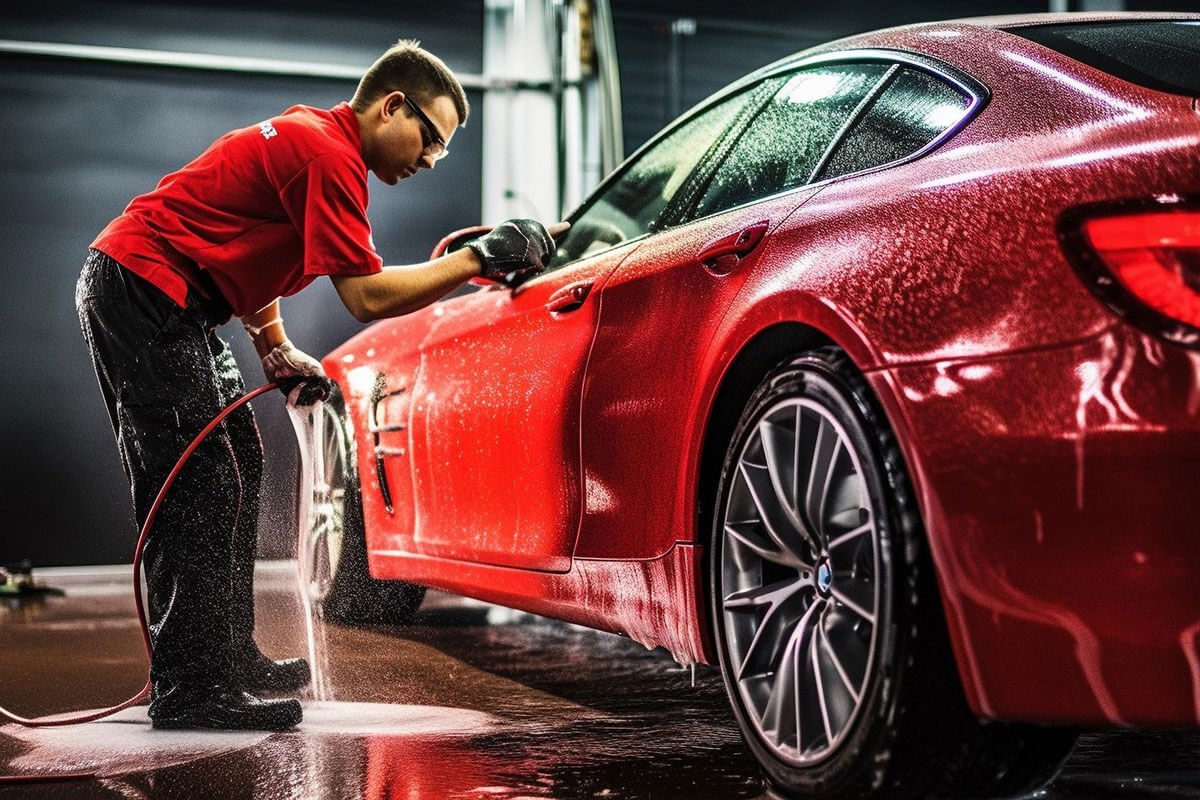
You walk out to your driveway, coffee in hand, ready to start the day, only to spot a yellow and white splatter drying on your driver’s side door. It looks like a messy prank, but your paint is currently fighting a losing battle against chemistry. That egg isn’t just sitting on the surface, it is actively eating into the clear coat. The mix of sulfur-rich yolk and protein-heavy whites creates a corrosive compound that can permanently scar automotive finishes in minutes.
For drivers in Oklahoma City, the intense heat acts as a catalyst, speeding up this reaction and turning a simple cleanup job into a professional repair. This guide breaks down the science of egg damage, why the Oklahoma climate makes it worse, and the exact steps to fix it.
Salient Points
- Permanent chemical etching often starts within 30 minutes of contact.
- Eggs damage paint through both acidic yolks and alkaline whites.
- OKC sunlight cooks the proteins into the clear coat, causing surface fractures known as “crazing.”
- Never wipe a dry egg, you must rehydrate it to lift it without scratching.
- Deep etching usually requires machine polishing or wet sanding to level the clear coat.
Why an Egg on Your Car is a Chemical Emergency for Automotive Paint
Seeing an egg on your vehicle triggers an immediate need for action. This is a corrosive event, not just a hygiene issue. The reaction starts the second the shell smashes, and the liquid hits the panel.
The window to stop permanent damage is short. Data from Syed Brothers Auto Body Shop OKC suggests that irreversible damage often occurs in the time it takes to drive to a car wash. The threat is a three-part problem: the yolk (acidic fats), the white (alkaline proteins), and the shell (calcium carbonate abrasive). If the mess is wet, you have roughly 15 to 30 minutes before microscopic etching begins.
Table 1: The Triple Threat of Egg Damage
Component | Chemical/Physical Property | Primary Risk to Paint |
Yolk | Acidic (pH ~6.0), Sulfur-rich | Chemical burns, staining, eating into clear coat. |
White (Albumen) | Alkaline (pH shifts 7.6 to 9.2) | Protein bonding, “crazing” (cracking), clouding. |
Shell | Calcium Carbonate (Hard solid) | Deep linear scratches, swirl marks during removal. |
The Corrosive Chemistry of an Egg Attack on Your Clear Coat
The damage mechanism here is distinct because it assaults the paint from opposite ends of the pH scale at the same time.
The Two-Pronged Chemical Attack
Research published in the Journal of Agricultural and Food Chemistry highlights that fresh egg whites (albumen) start with a neutral pH between 7.6 and 7.9. As the egg dries on your car, it releases carbon dioxide, spiking the pH up to 9.2. This highly alkaline state softens the urethane clear coat. At the same time, the yolk sits at a pH of about 6.0. It contains sulfur, which decomposes into trace amounts of sulfuric acid. This acid eats into the finish while the alkaline white compromises the paint’s structure.
Protein Bonding and Crazing
Axalta Coating Systems identifies a specific defect called “crazing.” As egg white dries, the protein chains contract violently. This shrinkage creates immense surface tension, bonding the egg to the clear coat. The tension is strong enough to pull the paint upward, resulting in a spider-web pattern of cracks that looks like shattered glass.
The Mechanical Threat
Eggshells consist of calcium carbonate, the same material found in rocks and marble. Upon impact, these shards act like 40-grit sandpaper. The initial hit often gouges deep linear scratches that penetrate past the clear coat and into the base color. Unlike bird droppings, which are mostly chemical, eggs bring a physical abrasive into the mix.
How the Oklahoma Sun Accelerates Paint Etching and Crazing
Heat drives these chemical reactions. In the Oklahoma City summer, a black or dark blue car can reach surface temperatures north of 150 degrees Fahrenheit. The International Carwash Association warns that heat speeds up the bonding of organic contaminants significantly.
Insurance Claims and the Financial Reality of Minor Crashes
Filing a claim feels like the logical next step, but it is often a financial trap. You have to weigh the repair cost against your deductible and the inevitable premium hike. Data from NerdWallet and Insurance.com indicates that a single at-fault claim for property damage can drive your rates up by 25 to 40 percent. Oklahoma is an at-fault state. The person who caused the wreck pays.
But consider this: If you are at fault, the repair is $900, and your deductible is $500, the insurance company cuts a check for $400. In exchange, they mark your file as “high risk,” potentially costing you thousands in increased premiums over the next three years. In many minor cases, keeping the insurance company out of it and paying cash is the superior strategy.
Accelerated Drying and Thermal Expansion
High temperatures solidify egg proteins in minutes. As the car’s metal panels expand in the heat, the hardened egg residue, which remains rigid, creates shear force. This difference in expansion rates causes the clear coat to snap and crack under the pressure.
Protective Barrier Factor
Vehicles in OKC carrying a fresh ceramic coating or high-grade carnauba wax have a sacrificial shield. This layer might buy you an hour or two. However, oxidized or unprotected paint absorbs the liquid instantly, allowing acids to enter the pores of the clear coat immediately.
The Critical Timeline for Preventing Permanent Paint Damage
Knowing the damage timeline helps you decide how fast you need to move. Meguiar’s, a leader in car care, outlines the stages of paint failure relative to exposure.

Table 2: Egg Damage Timeline in 90°F+ Weather
Time Since Impact | Damage Stage | Visual Symptoms | Required Fix |
0 – 30 Minutes | The Wet Stage | Liquid mess, no visible paint defect. | Rinse & Wash (DIY). |
30 Min – 2 Hours | The Drying Stage | Hardened crust, faint “ghosting” outline. | Clay Bar & Wax. |
2 – 24 Hours | The Etching Stage | Dull spots, rough texture, visible depression. | Machine Polishing. |
24+ Hours | The Failure Stage | Cracked paint (crazing), deep pitting. | Wet Sanding or Repainting. |
The egg remains liquid. You can usually wash it away with a standard hose and pH-neutral soap. The acids haven’t breached the surface tension yet.
Proteins begin to cross-link and bond to the surface. Cleaning now might reveal a faint outline or “ghosting” where the clear coat swelled from moisture absorption.
Severe etching sets in. Sulfuric compounds eat into the top layer of the finish. Ammo NYC notes that professional paint correction is typically needed here to level the clear coat back down to a smooth surface.
The damage runs deep. If the egg bakes through a full day of Oklahoma heat, it often etches through the clear coat entirely. This failure usually demands panel repainting at a professional facility like Syed Brothers Auto Body Shop OKC.
Safe Removal Techniques to Prevent Scratches and Swirl Marks
Removing a dried egg the wrong way is what causes more damage to car paint than the egg itself. You must lift the contaminant without dragging the sharp shell fragments across the paint.
What Not To Do
Never wipe a fresh or dried egg with a dry cloth or paper towel. This guarantees deep scratches. Never use a fingernail or kitchen spatula to scrape the residue.
Step-by-Step Removal Process
- Gentle Rinse: Use a low-pressure water flow to flush away loose shell fragments. Avoid high-pressure sprayers initially, as they can drive sharp shell pieces into the paint.
- Soften and Dissolve: Soak a high-quality microfiber towel in a bucket of warm water and car wash soap. Autopia Detailing Forum experts advise laying this wet towel over the dried egg for 10 to 15 minutes. This rehydrates the proteins.
- The “Lift” Technique: Once soft, gently pinch and lift the residue away from the surface. Do not wipe side-to-side.
- Final Wash: Use the two-bucket wash method with a clean mitt to ensure all fats and acids are gone.
- Product Recommendation: Use a dedicated bug and tar remover. Products from brands like Chemical Guys contain enzymes that break down proteins safely.
Assessing the Aftermath
After removal, inspect the paint in direct sunlight. The severity of the mark dictates the repair method.
Level 1 Damage: Ghosting
If you see a faint outline that disappears when wet, it is surface-level. A clay bar treatment followed by a synthetic sealant usually restores optical clarity.
Level 2 Damage: Visible Etching
If you see dull spots or physical depressions, the clear coat is uneven. Syed Brothers Auto Body Shop OKC offers professional paint correction. We use dual-action polishers and abrasive compounds to remove a microscopic layer of clear coat, leveling the surface until the etch disappears.
Level 3 Damage: Crazing
If the defect catches your fingernail or looks like cracked glass, the clear coat has failed. This requires professional repair. Options range from aggressive wet sanding to a complete clear coat respray to protect the base color and maintain resale value.
Long-Term Protection Strategies for Your Vehicle’s Exterior
The best defense against environmental damage is a good offense. Modern automotive finishes require a sacrificial layer.
Ceramic Coatings and Sealants
Wax offers a temporary shield, but a ceramic coating provides a semi-permanent glass-like layer. This nano-coating fills the microscopic pores of the paint, stopping organic contaminants like eggs, bird droppings, and sap from bonding directly to the clear coat.
Routine Maintenance
Regular washes at a trusted OKC auto body shop help catch early signs of paint distress. Identifying defects early saves money. Parking in a garage or using a fitted car cover during high-risk holidays, like Halloween, drastically lowers the risk of vandalism.
Vandalism feels personal, but the damage doesn’t have to be permanent. Speed and chemistry knowledge are your best tools. If the Oklahoma sun has already baked the egg into your paint, or if you see the spider-web cracks of crazing, skip the DIY fixes that might burn through your remaining clear coat.
Syed Brothers Auto Body Shop OKC specializes in reversing chemical paint damage. Whether you need precision polishing or a full panel restoration, we erase the evidence and secure your investment. Stop by our Oklahoma City location for an assessment and let us get your vehicle back to showroom condition.
Frequently Asked Questions
What Is The Best Thing To Use To Get Egg Off A Car?
The safest and most effective solution is a mixture of warm water, pH-neutral car shampoo, and a dedicated enzyme-based bug remover. You need a cleaning agent that breaks the protein bond without scrubbing. Warm water rehydrates the hardened albumen, while the soap provides necessary lubrication to slide shell fragments off safely.
According to Chemical Guys, specialty bug and tar removers utilize enzymes specifically designed to digest organic matter. This chemical breakdown is far safer for your clear coat than mechanical friction (scrubbing). Avoid dish soap like Dawn, as it strips away your wax protection. Saturate a microfiber towel in your safe solution and let it sit on the stain for 15 minutes to soften the mess before wiping.
How Long Does It Take For Egg To Ruin Car Paint?
Permanent etching generally begins within 30 minutes to one hour, heavily dependent on sunlight and temperature. In the direct sun, the chemical reaction accelerates rapidly. The "safe" window to remove the egg without leaving a trace is typically under 60 minutes.
Meguiar's USA research indicates that "etching", where acid physically eats into the clear coat, begins the moment the liquid starts to dry. In Oklahoma heat, this drying phase happens very fast. Treat egg splatter as a paint emergency. If a full wash isn't possible, keep a bottle of quick detailer spray and a clean microfiber cloth in your trunk for immediate roadside cleanup.
Can A Car Wash Get Dried Egg Off?
A standard automated car wash is usually insufficient for dried egg and can actually cause more damage. Automated brushes are designed for surface dust, not bonded proteins. They often fail to remove the hardened egg and drag the sharp shell fragments across your paint, creating deep scratches.
Syed Brothers Auto Body Shop OKC warns that the high-speed friction of car wash brushes against abrasive eggshells acts like 40-grit sandpaper on your finish. Always hand-wash the specific spot first using the soak-and-lift method. Only use a touchless car wash if you absolutely must, but inspect the area immediately afterward for remaining residue.
Will Vinegar Remove Egg Stains From Car Paint?
White vinegar can help neutralize the alkalinity of egg whites, but you must use it cautiously. A 50/50 mix of white vinegar and distilled water can help dissolve the mineral content of the shell and neutralize the high pH of the dried egg white.
The Journal of Agricultural and Food Chemistry notes the high alkalinity (pH 9.2) of aged egg whites. The mild acidity of vinegar helps balance this, loosening the bond. Apply the vinegar solution only to the stain, not the entire panel, as it will strip wax. Rinse thoroughly with water immediately to prevent the vinegar itself from etching the paint.
How Do I Know If The Egg Has Etched My Clear Coat?
Etching presents as a dull spot, a visible outline, or a texture change that disrupts the reflection. After cleaning, examine the paint under a direct light source (sunlight or a phone flashlight). If the reflection looks distorted, hazy, or rough, etching has occurred.
Ammo NYC describes etching as a microscopic "valley" in the clear coat where acid has removed material. If you can feel the outline with your fingernail, the etch is deep. If the mark is visible but smooth to the touch, a professional polish can likely fix it. If it feels rough or looks cracked (crazing), you need professional repair at a body shop.
Is Egg Damage Covered By Car Insurance In Oklahoma?
Yes, damage caused by egging is typically covered under the "comprehensive" portion of your auto insurance policy. Egging is classified as vandalism, which is a standard peril covered by comprehensive insurance (separate from collision coverage).
Insurance adjusters understand that repainting a hood or door panel is expensive. However, coverage depends on your specific deductible. Get a repair estimate from Syed Brothers Auto Body Shop OKC, before filing. If the repair cost is $600 and your deductible is $500, paying out of pocket is smarter to avoid a potential premium hike.
How Much Does It Cost To Fix Egg Damage On A Car In OKC?
Repair costs vary drastically based on severity, from $150 for paint correction to over $1,000 for repainting. Minor ghosting might only require a professional detail. Deep crazing that necessitates a panel respray involves disassembly, labor, materials, and color blending.
Syed Brothers Auto Body Shop OKC, notes that wet sanding and polishing are labor-intensive. A full repaint requires blending into adjacent panels to ensure the color matches perfectly. Do not ignore the damage. Leaving a compromised clear coat leads to peeling and rust, which triples the repair cost over time.
Does Egg Yolk Or Egg White Do More Damage To Paint?
Both components destroy paint, but they use different chemical mechanisms to do it. The white (albumen) causes structural damage through protein bonding and alkalinity. The yolk causes chemical staining and burns through sulfuric acid.
Axalta Coating Systems highlights that the shrinking of the drying egg white exerts physical force on the clear coat, causing cracks. The yolk's acidity creates a chemical burn. Treat the entire splattered area as a hazard. Clean a wide radius around the impact site to ensure both the acidic and alkaline threats are neutralized.
Can I Use A Pressure Washer To Remove Egg From My Car?
Using a pressure washer on dried egg is risky, it can force shell fragments into the paint or strip loose clear coat. High-pressure water lacks the lubrication needed to slide abrasive contaminants off the surface safely.
The Autopia Detailing Forum consensus is that pressure washers are great for rinsing loose dirt but dangerous for bonded, abrasive contaminants like eggshells. Use a pressure washer only from a distance to wet the area. Never blast the residue up close. The manual soak-and-lift method is the only safe way to preserve your finish.
What Is Paint Crazing And Can It Be Fixed?
Crazing is a network of fine cracks in the clear coat caused by the violent contraction of drying egg proteins. It resembles a spider web or shattered glass on the paint surface. It indicates the clear coat has physically fractured under tension.
Axalta Coating Systems explains that as the egg white dries, its surface tension exceeds the tensile strength of the paint, causing it to snap. Crazing usually cannot be polished out because the cracks penetrate the clear coat. The affected area typically requires sanding and repainting by professionals like Syed Brothers Auto Body Shop OKC.