
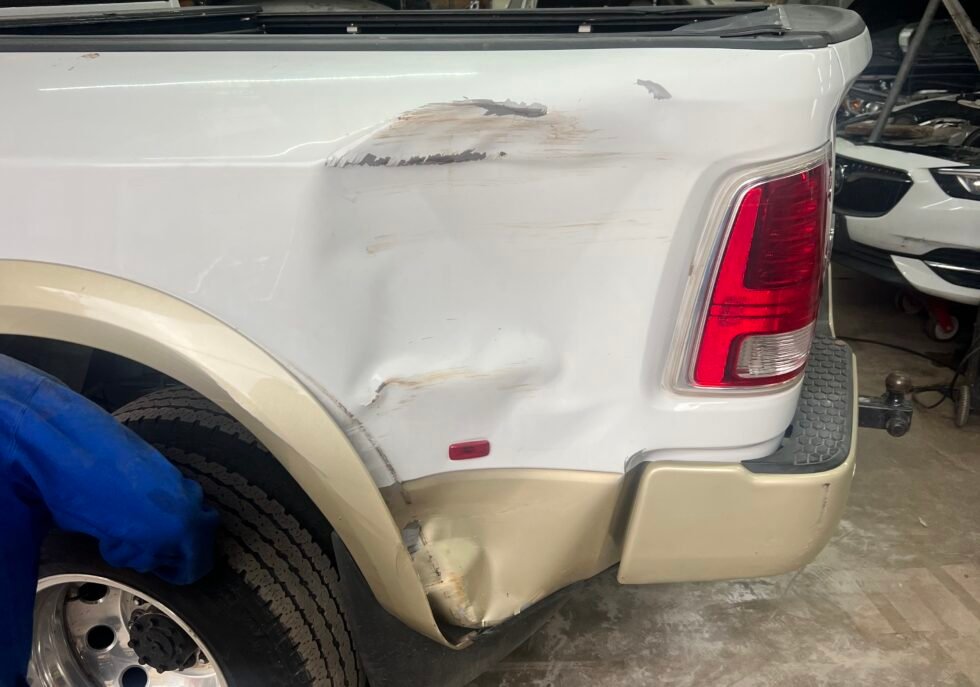
Walking out to your parking spot and seeing a fresh dent in your door creates a specific kind of nausea. It doesn’t matter if it was a rogue shopping cart, a careless driver in the next stall, or a brutal hail storm sweeping through Oklahoma City, the damage feels personal.
Your mind immediately races to the cost, the days you’ll lose without a vehicle, and the inevitable drop in resale value. Before you drive to a body shop or order a cheap suction cup kit online, stop. You need a strategy tailored to the specific geometry and material of the damage.
Key Points
- Not all dents are DIY candidates, 40% of failed home repairs happen because owners misjudge the complexity.
- Professional paintless dent repair costs for car door dents can be significantly lower than traditional bodywork.
- DIY dent repair methods like boiling water work on plastic bumpers, but sharp creases on metal panels usually require a pro.
- Modern clear coats are flexible, but cracked paint demands traditional sanding and repainting.
- OKC drivers face frequent hail damage, necessitating specialized repair services like those at Syed Brothers Auto Body Shop.
Is DIY Repair Possible or Do You Need a Pro?
Success relies entirely on diagnosis. You cannot fix what you do not define. A 2023 survey by the National Association of Professional Accident Repair Specialists (NAPARS) indicates that over 40 percent of failed DIY repairs occur because the owner misjudged the complexity of the dent. Before buying tools, examine the damage closely.
The Credit Card Test and Paint Condition
Use this simple industry rule: if the dent is smaller than a standard credit card and the paint surface remains unbroken, you have a strong candidate for DIY Paintless Dent Repair (PDR). If the paint is cracked, chipped, or flaking, stop immediately. DIY pulling tools will rip the paint further, exposing the bare metal to rust.
According to Axalta’s Global Automotive Color Popularity Report, modern clear coats possess more flexibility than older automotive paints. However, they will still crack under sharp impact. Once the paint cracks, the repair cost escalates because the panel requires professional sanding, priming, and repainting.

Types of Car Dents to Identify
- Round Dents: These usually result from hail or stray balls. They have soft, gradual edges and are the easiest to repair at home.
- Crease Dents: Caused by an object dragging along the panel, these have a sharp fold at the bottom. They involve stretched metal and are rarely fixable with DIY kits.
- Sharp Dings: Common parking lot damage from door edges. These are fixable if the impact point is not too deep and the paint is intact.
- Complex Collision Damage: Any dent involving multiple body lines, panel edges, or structural twisting requires the intervention of Syed Brothers Auto Body Shop OKC.
PDR vs. Body Shop Costs and Process
When DIY is not an option, you have two professional paths: Paintless Dent Repair (PDR) or traditional collision repair. Understanding the difference saves you money and protects your vehicle’s value.
Paintless Dent Repair (PDR) Process
PDR is the preferred method for minor to moderate damage where the paint is intact. Technicians access the backside of the panel using specialized metal rods and picks. They carefully massage the metal back to its original form. This process uses no sanding, body filler, or paint, preserving the factory finish. Maintaining the original paint is critical for vehicle resale value.
Cost and Efficiency:
According to J.D. Power, the average cost for PDR ranges between 75 dollars and 250 dollars per dent. The price varies based on the dent’s size and location on the vehicle. At Syed Brothers Auto Body Shop OKC, technicians typically complete PDR jobs in 1 to 3 hours, allowing you to get back on the road the same day.
Traditional Body Shop Repair
Traditional repair is necessary when the paint is compromised, the metal is severely stretched, or the damage sits on a reinforced panel edge. The process is invasive. Technicians sand the area to bare metal, apply body filler (like Bondo) to level the surface, and then prime, paint, and clear coat the panel to match the rest of the car.
Traditional Repair Cost and Time:
This method is labor-intensive. Repair costs generally start around 300 dollars for a minor dent. If the damage spans multiple panels or requires blending paint into adjacent doors for a color match, costs often exceed 1,500 dollars. Data from the Insurance Information Institute confirms that the average collision repair claim is well over 4,000 dollars. This process typically keeps your car in the shop for 2 to 5 days.
Repair Method Comparison
Feature | Paintless Dent Repair (PDR) | Traditional Body Shop Repair |
Primary Use | Dents with intact paint, hail damage | Cracked paint, deep creases, collision |
Average Cost | $75 – $250 per dent | $300 – $1,500+ |
Time Required | 1 – 3 Hours | 2 – 5 Days |
Materials | Metal rods, picks, glue tabs | Body filler, primer, base coat, clear coat |
Resale Value | Preserves factory finish (Best) | Reports as bodywork (Good) |
4 Proven DIY Car Dent Repair Methods
If your assessment confirms a small, round dent with intact paint, these methods offer a way to fix it at home.
Method 1: The Suction Cup or Plunger Method
This works best for large, shallow, round dents on flat panels like doors or hoods. You need a plunger (cup style, not flange) or a specialized automotive suction cup. Wet the edges of the cup to create a seal, place it over the dent, and push down to engage the vacuum. Pull back sharply on the handle. The suction pops the flexible metal back into place. Note that this rarely works on small, sharp dings or dents near body lines.
Method 2: The Boiling Water Method for Plastic Bumpers
Modern car bumpers are primarily made of thermoplastics like polypropylene. A study by the Society of Plastics Engineers notes that these materials become highly malleable at temperatures above 150 degrees Fahrenheit (65 degrees Celsius). Boil a pot of water and pour it continuously over the dented area of the bumper. Once the plastic is hot, reach behind the bumper and push the dent out with your hand. The plastic’s “memory” helps it snap back to its original shape.
Method 3: The Hair Dryer and Compressed Air Method
This technique uses rapid thermal expansion and contraction. Heat the dented metal panel with a hair dryer on high for several minutes to expand the metal. Immediately spray the heated area with “canned air” (compressed gas duster), holding the can upside down to release the liquid propellant. The rapid cooling causes the metal to contract and pop back into shape. A-1 Auto Transport estimates a 30 to 50 percent success rate, specifically on shallow, round dents that are not located on a body line.
Method 4: The Glue Puller Dent Repair Kit
This is the most effective consumer-grade method for metal panels. You hot-glue a plastic tab to the center of the dent. Once the glue sets, you attach a bridge puller or slide hammer to the tab and mechanically pull the dent out. After the metal is flush, use isopropyl alcohol to dissolve the glue and remove the tab. This mimics professional PDR but lacks the access from behind the panel.
The Ultimate Guide to Car Dent Repair Kits and Tools for DIYers
Having the right equipment separates a successful repair from a damaged finish.
- Heavy-Duty and Mini Suction Cup Pullers: These simple tools range from 2 to 6 inches in diameter. Use larger cups for soft dents on flat surfaces and mini pullers for smaller dings.
- Beginner Glue Puller Kit (Bridge Style): The bridge design uses two feet that rest on the panel, providing leverage. It offers a controlled, slow pulling action, which minimizes the risk of over-pulling or stretching the metal. This is the safest choice for first-timers.
- Advanced Glue Puller Kit (Slide Hammer): This tool uses a weighted handle that slides back to create sudden pulling force. It generates more power for stubborn dents but requires skill. An inexperienced user can easily pull the metal out too far, creating a high spot.
- PDR Knockdown and Tap-Down Tool Set: You cannot ignore this tool. It consists of specialized nylon or plastic punches used with a light hammer. If you pull a dent out too far (creating a hill), you use the knockdown tool to gently tap the high spot back down level with the panel.
Oklahoma weather presents unique challenges for vehicle owners. High-frequency hail storms wreak havoc on hoods and roofs, requiring specialized auto hail damage repair that standard DIY kits cannot handle. Syed Brothers Auto Body Shop OKC provides certified PDR and full collision services tailored to these local conditions.
Syed Brothers offers more than just dent removal. The shop handles paint restoration, glass and windshield replacement, seal and aluminum welding, and routine maintenance like regular oil changes. Professional repairs at Syed Brothers ensure structural integrity and precise paint matching that home kits cannot achieve, particularly on complex body lines or aluminum panels. For vehicle owners in Oklahoma City and its environs, trusting a professional ensures the job is done right the first time.
A dent doesn’t have to be a permanent scar on your vehicle or a drain on your wallet. By strictly assessing the damage against the “credit card rule” and checking for paint cracks, you can make a smart choice between a Saturday afternoon DIY project or a professional repair. For complex damage, sharp creases, or the aftermath of an Oklahoma hail storm, your car deserves the precision that only comes from experience. Visit Syed Brothers Auto Body Shop OKC today to erase the damage and restore your vehicle’s value.
Frequently Asked Questions
How Do I Know If A Dent Is Too Severe For DIY Repair?
You must look at the location and the shape of the damage. Dents located on body lines (the sharp, styled creases in the metal) or edges are structurally rigid and require professional leverage to move without cracking the paint.
According to I-CAR (Inter-Industry Conference on Auto Collision Repair), metal work-hardens at creases, meaning it resists reshaping. A 2022 report from Consumer Reports also warns that complex dents involving multiple planes have a DIY failure rate exceeding 60%. If the dent crosses a body line or is deeper than half an inch, take it to Syed Brothers to avoid permanently stretching the metal.
Does Using Boiling Water On A Car Bumper Actually Work?
Yes, but strictly for plastic components, not metal. Most modern bumpers are made of thermoplastic olefins (TPO) or polypropylene, which have "plastic memory." Heat relaxes the polymer chains, allowing them to return to their molded shape.
The Society of Plastics Engineers confirms that TPO becomes malleable between 150°F and 170°F. A study cited by Popular Mechanics demonstrates that while boiling water reaches 212°F, it rapidly cools on contact, providing a safe window for reshaping without melting the clear coat. Use this method immediately after impact for the best results. If the plastic has been dented for months, the memory effect fades.
Will A DIY Dent Puller Kit Damage My Paint?
It is a distinct possibility if the paint is not original or if you use the wrong adhesive. Glue pullers rely on strong adhesion. If your car has been repainted previously, the bond between the new paint and the primer may be weaker than the glue bond, causing the paint to rip off.
3M Automotive Aftermarket Division guidelines state that PDR glue is designed for factory-baked finishes. Enthusiast forums like Autogeek Online frequently document cases where high-strength glue pulled clear coat off repainted panels. Perform a "tape test" on a hidden area if you suspect your car has been repainted. If you aren't sure, don't risk it, visit a pro.
How Much Does Paintless Dent Repair (PDR) Cost In Oklahoma City?
Costs generally fall between $75 and $150 for a standard door ding. Pricing relies on the size of the dent and access difficulty. A dent on a hood (easy access) costs less than a dent on a roof rail (difficult access).
J.D. Power data lists the national average for a single one-inch dent at approximately $100. However, Kelley Blue Book service data indicates that hail damage covering an entire panel can range from $500 to $2,000, depending on the count. Get a quote from Syed Brothers. Often, they can bundle multiple dents for a lower per-dent price than a mobile technician.
Can I Use A Plunger To Fix A Dent On My Door?
Only if the dent is large, shallow, and on a flat surface. A plunger works by creating a vacuum. It requires a flat surface to seal against. It will not work on curved surfaces, near edges, or on small, sharp dings.
Car and Driver tested various DIY myths and found the plunger method effective only on "soft" dents larger than 3 inches in diameter. Smaller dents do not provide enough surface area for the vacuum to engage. Use a cup plunger (sink style), not a flange plunger (toilet style). Wet the rim with soapy water to create a tighter seal.
Does Insurance Cover Hail Damage Repair In OKC?
Yes, if you carry comprehensive coverage. Hail damage is considered an "Act of God" and falls under comprehensive insurance, not collision. It usually does not raise your rates, though this varies by provider.
The Insurance Information Institute reports that Oklahoma consistently ranks in the top five states for hail claims. State insurance regulations often prevent premium hikes for singular weather claims, but checking your specific policy is vital. Calculate your deductible. If the repair at Syed Brothers is $400 and your deductible is $500, pay out of pocket to keep your claims history clean.
What Is The Difference Between A Glue Puller And A Suction Cup?
The difference is mechanical attachment versus vacuum seal. Suction cups use air pressure and only work on large, shallow dents. Glue pullers physically bond to the panel, allowing you to pull out small, sharp, or deep dents that a suction cup cannot grip.
Auto Body Repair Network (ABRN) technical articles highlight that glue pulling is the only non-invasive option for dents where there is no access to the back of the panel (like roof rails). Suction cups cannot generate the focused pounds per square inch (PSI) needed for small dings. Buy a bridge-style glue puller for small door dings. Save the suction cup for massive fender collapses.
Will A Hair Dryer And Compressed Air Really Pop Out A Dent?
It is a "hit or miss" method that carries a risk of damaging the paint. This method relies on thermal shock, rapidly heating and then freezing the metal to force contraction.
AAA experts warn that overheating a panel with a hair dryer can soften the clear coat, making it susceptible to marring. Furthermore, NADA Guides suggest this method has a low success rate on modern, thinner sheet metal used in newer cars. Use extreme caution. Keep the hair dryer moving to avoid scorching the clear coat. If it doesn't work after one try, stop.
How Long Does Professional Dent Repair Take?
For PDR, it is usually a same-day service, traditional bodywork takes days. PDR requires no drying time for fillers or paint. Traditional repair involves sanding, filling, priming, painting, and clear coating, with cure times between each step.
Industry standard cycle times reported by FenderBender magazine show PDR jobs averaging 2-4 hours. Traditional collision repair averages 4.5 days due to paint booth scheduling and drying cycles. If you need your car for work, PDR at Syed Brothers is the only option that fits a lunch break or half-day schedule.
Why Shouldn’t I Just Buy A Cheap Dent Repair Kit On Amazon?
Cheap kits often lack the rigidity and safe adhesives required for a clean repair. Inexpensive plastic tools flex under pressure, failing to pull the metal. Worse, the included glue may be too difficult to remove, leading to scratches when you try to scrape it off.
Reviews on The Drive comparing professional tools (like Keco or Dentcraft) vs. $20 generic kits found that cheap tabs often snap off mid-pull, striking the user or the car. High-quality PDR glue releases cleanly with alcohol, cheap glue often leaves residue requiring harsh solvents. If you buy a kit, invest in one with a metal bridge puller and buy professional-grade PDR glue separately.
Does Syed Brothers Auto Body Shop Handle Aluminum Panels?
Aluminum has no "memory" like steel. Once stretched, it does not want to return to its original shape and requires heat and specific holding techniques to repair.
Ford Motor Company’s repair guidelines for the F-150 (aluminum body) strictly specify that technicians must be certified in aluminum repair to avoid tearing the metal. Aluminum work-hardens instantly, making it brittle. Never attempt DIY repair on an aluminum hood or door. You will likely crack the metal. Trust the certified technicians at Syed Brothers.